Quick answer
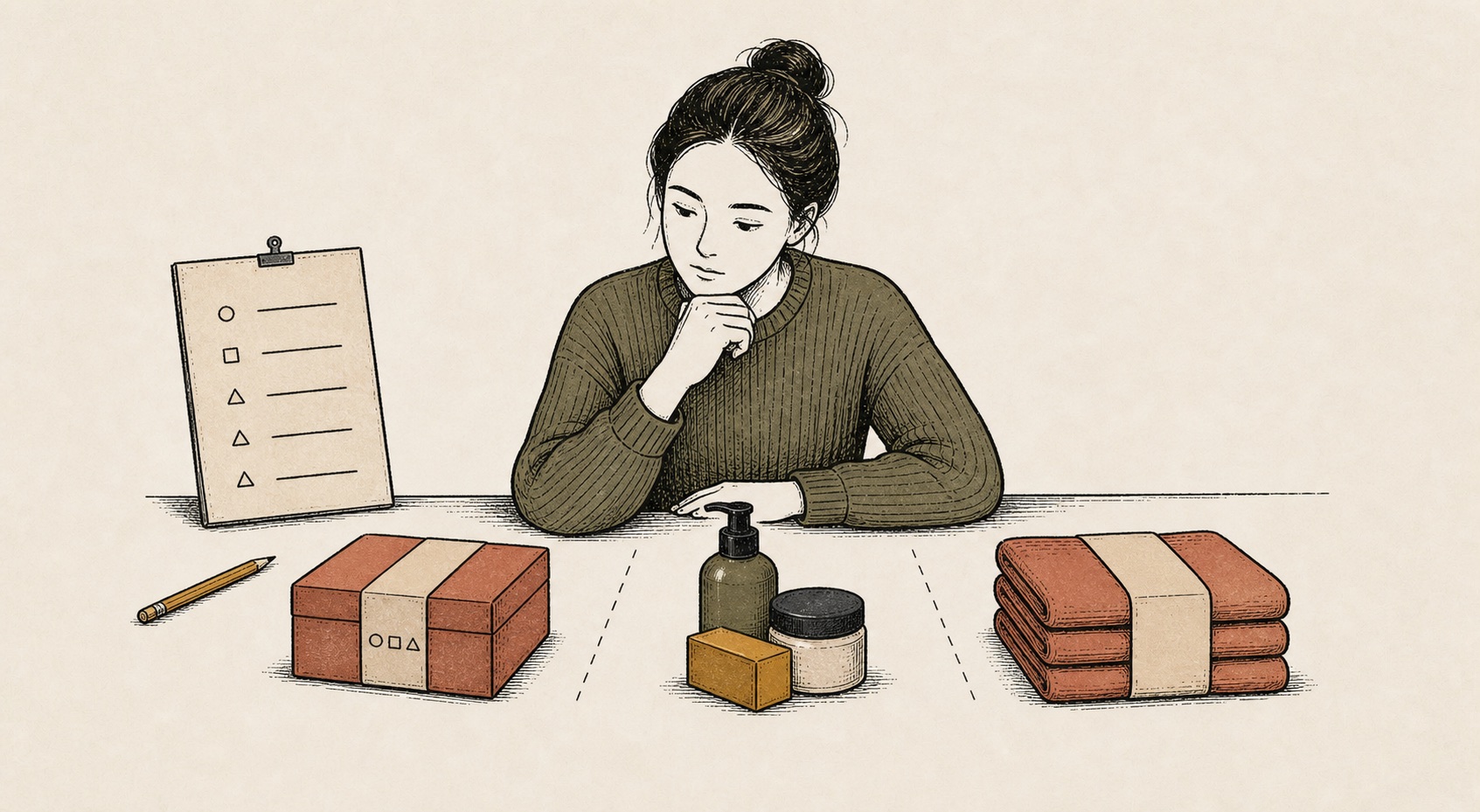
August traffic searches for complete lists. KitForge fixed kits bundle notebooks, tech accessories, or lunch gear into one add-to-cart; clean or compact presets keep widgets readable on mobile comparison shopping.
- Back-to-school fixed kits should read like complete shopping lists.
- FBT upgrades individual checklist items parents already search for.
- Quantity breaks suit multi-student consumable buys.
- Schedule July–September and use clean presets for clarity.
Timing the back-to-school window
Schedule kits active mid-July through Labor Day. Early birds shop July; procrastinators spike late August. Pausing after school starts avoids stale merchandising.
Inline vs standalone placement
Inline fixed kits on each component PDP help comparison shoppers discover the full starter. A standalone widget on a 'Back to School' landing product centralizes paid and email traffic.
Launch checklist
Schedule back-to-school fixed kits on shopify early enough to preview on mobile and train support. Seasonal kits fail when creative is ready but inventory validation is not.
Confirm variant coverage, mobile layout, and that the discount only applies through the intended path so shoppers are not surprised at checkout.
- Preview the offer on a real product page and on mobile.
- Place a test order that exercises the discount and inventory path.
- Brief support on what is included and what is not.
- Document the success metric before you scale the offer.
Mistakes that quietly kill conversion
Stacking overlapping seasonal discounts with evergreen quantity breaks confuses shoppers and support. Prefer one primary story per campaign window.
For “Back-to-school fixed kits on Shopify,” keep the page focused on one primary next step. Extra widgets, stacked badges, and unclear exclusions increase bounce more often than they increase AOV.
- Do not hide eligibility rules until checkout.
- Do not bundle unrelated leftovers without a customer story.
- Do not skip mobile QA on choice-heavy widgets.
- Do not launch without a rollback plan for the discount.
How to measure whether it worked
Compare attach rate and AOV against the same week last year or against a holdout collection.
If the metric moves but support volume rises, fix presentation or inventory rules before cloning the offer across more SKUs.
- Attach rate on treated product pages
- AOV and contribution margin after discounts
- Refund or fulfillment exception rate
- Time for a teammate to edit the offer safely
Final recommendation
Back-to-school season is fixed-kit territory — starter packs with clear lists, FBT on high-intent singles, and scheduled summer-to-fall windows in KitForge.
If you want this kind of offer to feel native to the buying journey, Kitforge Bundles is built around that exact problem: turning related Shopify products into clearer bundle offers before the shopper reaches checkout.
FAQ
Can kits mix grade levels?
Avoid it — separate kits per grade band reduce returns from wrong-fit items and make marketing copy specific.
How do I handle inventory on seasonal kit components?
Max sellable quantity updates as components sell. Run readiness before July traffic and restock alerts on limiting SKUs.
What should I do before publishing changes related to Back-to-school fixed kits on Shopify?
Preview on mobile, place a test order, and confirm inventory and discount behavior match the storefront promise. Only then activate for all traffic.
When is Kitforge Bundles the wrong tool?
If you only need a simple Buy X Get Y or free-gift discount with no product-page merchandising, native Shopify discounts may be enough. Kitforge is built for fixed kits, FBT, and quantity-break widgets with inventory validation.
How long should I wait before judging the offer?
Give the offer at least one to two weeks of normal traffic, or enough orders to see attach rate stabilize. Seasonal spikes can distort a shorter window.