Quick answer
Roaster DTC stores benefit from sampler fixed kits, FBT on signature blends for mugs and filters, and quantity breaks on 12oz bags for office and household stock-ups.
- Sampler fixed kits lower first-purchase friction for new roast customers.
- FBT on hero blends captures grinder and accessory margin without cluttering every SKU.
- Quantity breaks mimic subscription value for customers who prefer one-time buys.
- Inventory-safe max sellable quantity matters when limited microlots are in kits.
Merchandising roasted coffee with KitForge
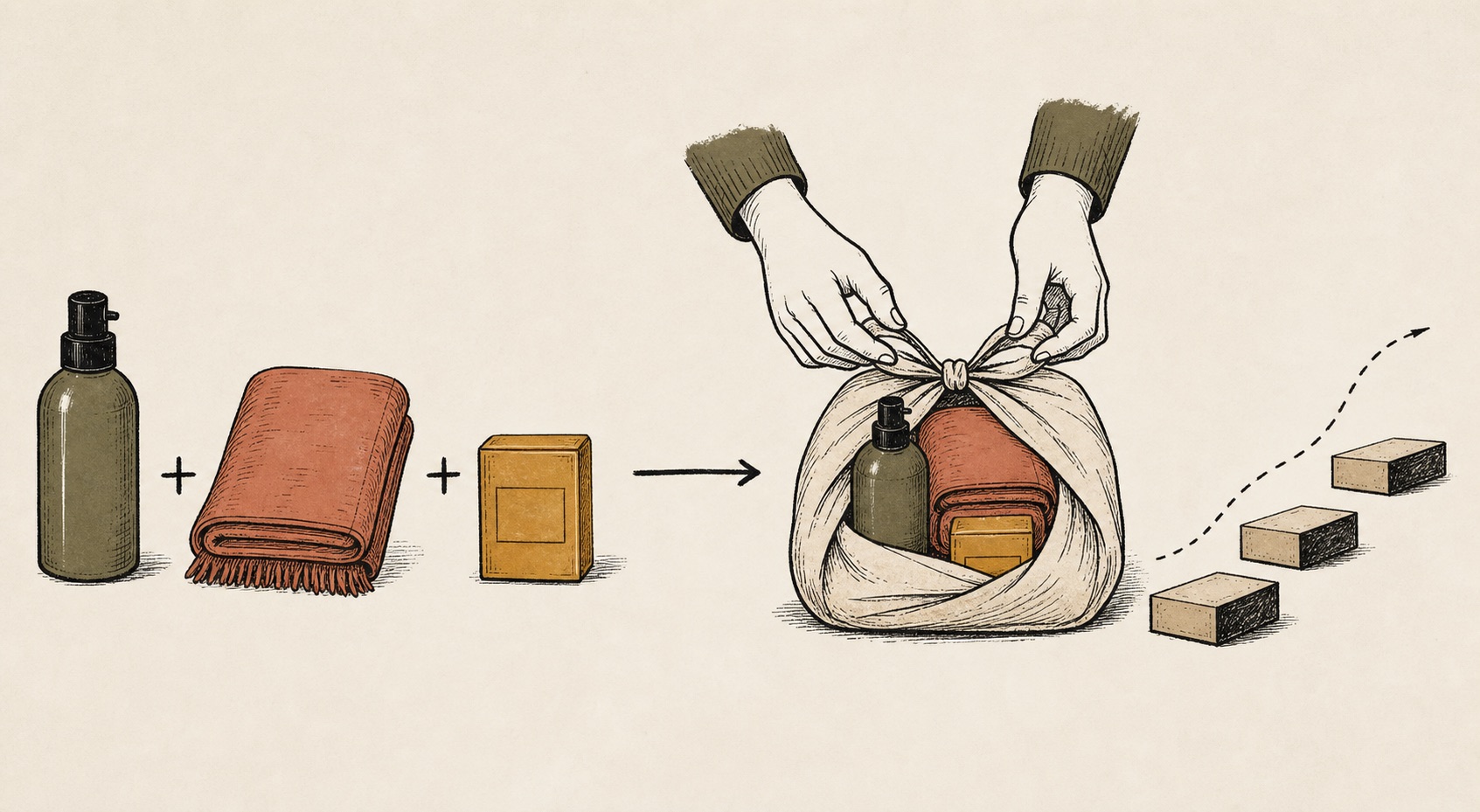
Coffee shoppers either explore (kits), optimize brewing (FBT), or replenish (quantity breaks). KitForge's three offer types map cleanly without BOGO or mix-and-match complexity.
Cart Transform expands fixed kit lines into individual bag SKUs for fulfillment — roasters see correct pick lines in the 3PL portal.
Seasonal campaigns
Schedule fixed kits for Black Friday samplers and pause them after sell-through. Use KitForge analytics to compare kit revenue vs single-bag PDPs.
Launch checklist
Adapt the offer to this merchant persona: product relationships first, discount depth second. Launch the smallest kit that proves the buying moment.
Confirm variant coverage, mobile layout, and that the discount only applies through the intended path so shoppers are not surprised at checkout.
- Preview the offer on a real product page and on mobile.
- Place a test order that exercises the discount and inventory path.
- Brief support on what is included and what is not.
- Document the success metric before you scale the offer.
Mistakes that quietly kill conversion
Copying a competitor’s bundle structure without matching catalog depth usually fails. Start from your own attach patterns.
For “Kitforge Bundles for coffee roasters,” keep the page focused on one primary next step. Extra widgets, stacked badges, and unclear exclusions increase bounce more often than they increase AOV.
- Do not hide eligibility rules until checkout.
- Do not bundle unrelated leftovers without a customer story.
- Do not skip mobile QA on choice-heavy widgets.
- Do not launch without a rollback plan for the discount.
How to measure whether it worked
Success looks like higher AOV on treated PDPs without a spike in refunds or “missing item” tickets.
If the metric moves but support volume rises, fix presentation or inventory rules before cloning the offer across more SKUs.
- Attach rate on treated product pages
- AOV and contribution margin after discounts
- Refund or fulfillment exception rate
- Time for a teammate to edit the offer safely
Final recommendation
Coffee roasters can run discovery kits, gear upsells, and volume pricing in one KitForge install — with app embed widgets and fulfillment-ready expanded SKUs.
If you want this kind of offer to feel native to the buying journey, Kitforge Bundles is built around that exact problem: turning related Shopify products into clearer bundle offers before the shopper reaches checkout.
FAQ
Can a fixed kit include bags with different grind options?
Yes — each component is a variant line. Shoppers add the kit as one offer; fulfillment expands to individual variant SKUs.
Should quantity breaks apply to subscription products?
KitForge quantity breaks apply to eligible product/variant lists you configure. Keep subscription SKUs separate if recharge or another app manages those lines.
What should I do before publishing changes related to Kitforge Bundles for coffee roasters?
Preview on mobile, place a test order, and confirm inventory and discount behavior match the storefront promise. Only then activate for all traffic.
When is Kitforge Bundles the wrong tool?
If you only need a simple Buy X Get Y or free-gift discount with no product-page merchandising, native Shopify discounts may be enough. Kitforge is built for fixed kits, FBT, and quantity-break widgets with inventory validation.
How long should I wait before judging the offer?
Give the offer at least one to two weeks of normal traffic, or enough orders to see attach rate stabilize. Seasonal spikes can distort a shorter window.