Quick answer
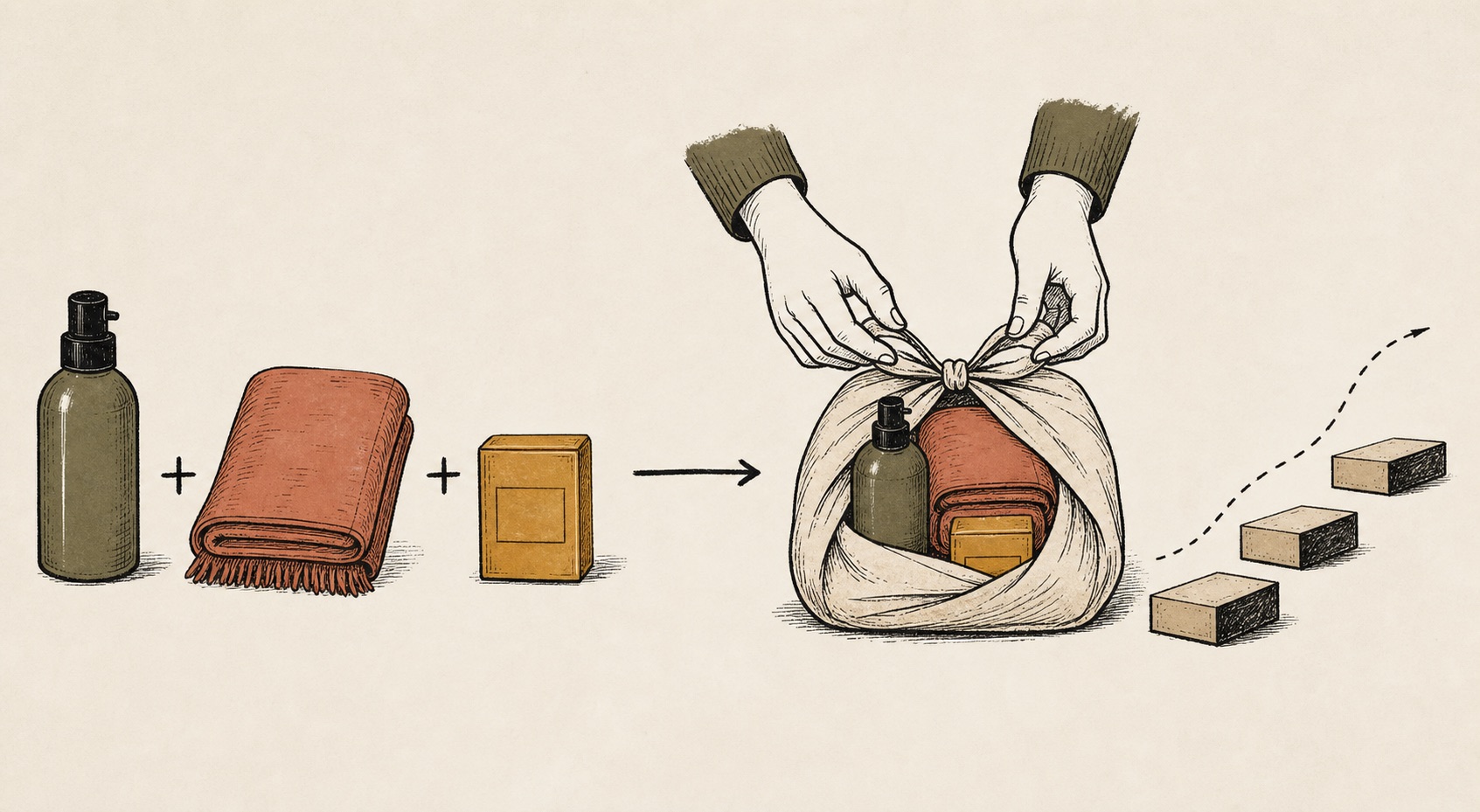
Merchandise curated outfits as fixed kits, suggest belts and layers via FBT on dress and denim PDPs, and sell tee or sock multipacks with quantity break tiers.
- Outfit fixed kits reduce decision fatigue on high-consideration purchases.
- FBT captures accessory AOV without forcing full looks on every PDP.
- Quantity breaks move basics inventory in multipack form.
- Coexistence: choose kit OR FBT as primary on hero garment PDPs.
Variant-aware fashion bundles
Fixed kits use specific size/color variants per component. When a size sells out, max sellable quantity for the kit drops — shoppers see accurate availability in the widget.
FBT add-ons can be one-size accessories that remain available when apparel sizes sell through.
Brand presentation with widget presets
Premium preset suits luxury apparel; compact keeps mobile lookbook pages fast. Preview in KitForge admin matches storefront rendering.
Launch checklist
Adapt the offer to this merchant persona: product relationships first, discount depth second. Launch the smallest kit that proves the buying moment.
Confirm variant coverage, mobile layout, and that the discount only applies through the intended path so shoppers are not surprised at checkout.
- Preview the offer on a real product page and on mobile.
- Place a test order that exercises the discount and inventory path.
- Brief support on what is included and what is not.
- Document the success metric before you scale the offer.
Mistakes that quietly kill conversion
Copying a competitor’s bundle structure without matching catalog depth usually fails. Start from your own attach patterns.
For “Kitforge Bundles for fashion and apparel stores,” keep the page focused on one primary next step. Extra widgets, stacked badges, and unclear exclusions increase bounce more often than they increase AOV.
- Do not hide eligibility rules until checkout.
- Do not bundle unrelated leftovers without a customer story.
- Do not skip mobile QA on choice-heavy widgets.
- Do not launch without a rollback plan for the discount.
How to measure whether it worked
Success looks like higher AOV on treated PDPs without a spike in refunds or “missing item” tickets.
If the metric moves but support volume rises, fix presentation or inventory rules before cloning the offer across more SKUs.
- Attach rate on treated product pages
- AOV and contribution margin after discounts
- Refund or fulfillment exception rate
- Time for a teammate to edit the offer safely
Final recommendation
Fashion merchants can sell looks, accessories, and multipack basics with KitForge — theme app extension widgets, no custom Liquid required.
If you want this kind of offer to feel native to the buying journey, Kitforge Bundles is built around that exact problem: turning related Shopify products into clearer bundle offers before the shopper reaches checkout.
FAQ
Can shoppers pick sizes inside a fixed kit?
Fixed kits use pre-selected component variants. For size choice per item, merchandise separate SKUs or use FBT so shoppers add sized pieces individually.
How do returns work on outfit kits?
Fulfillment expands to child SKUs — your returns policy applies per line item as configured in Shopify.
What should I do before publishing changes related to Kitforge Bundles for fashion and apparel stores?
Preview on mobile, place a test order, and confirm inventory and discount behavior match the storefront promise. Only then activate for all traffic.
When is Kitforge Bundles the wrong tool?
If you only need a simple Buy X Get Y or free-gift discount with no product-page merchandising, native Shopify discounts may be enough. Kitforge is built for fixed kits, FBT, and quantity-break widgets with inventory validation.
How long should I wait before judging the offer?
Give the offer at least one to two weeks of normal traffic, or enough orders to see attach rate stabilize. Seasonal spikes can distort a shorter window.