Quick answer
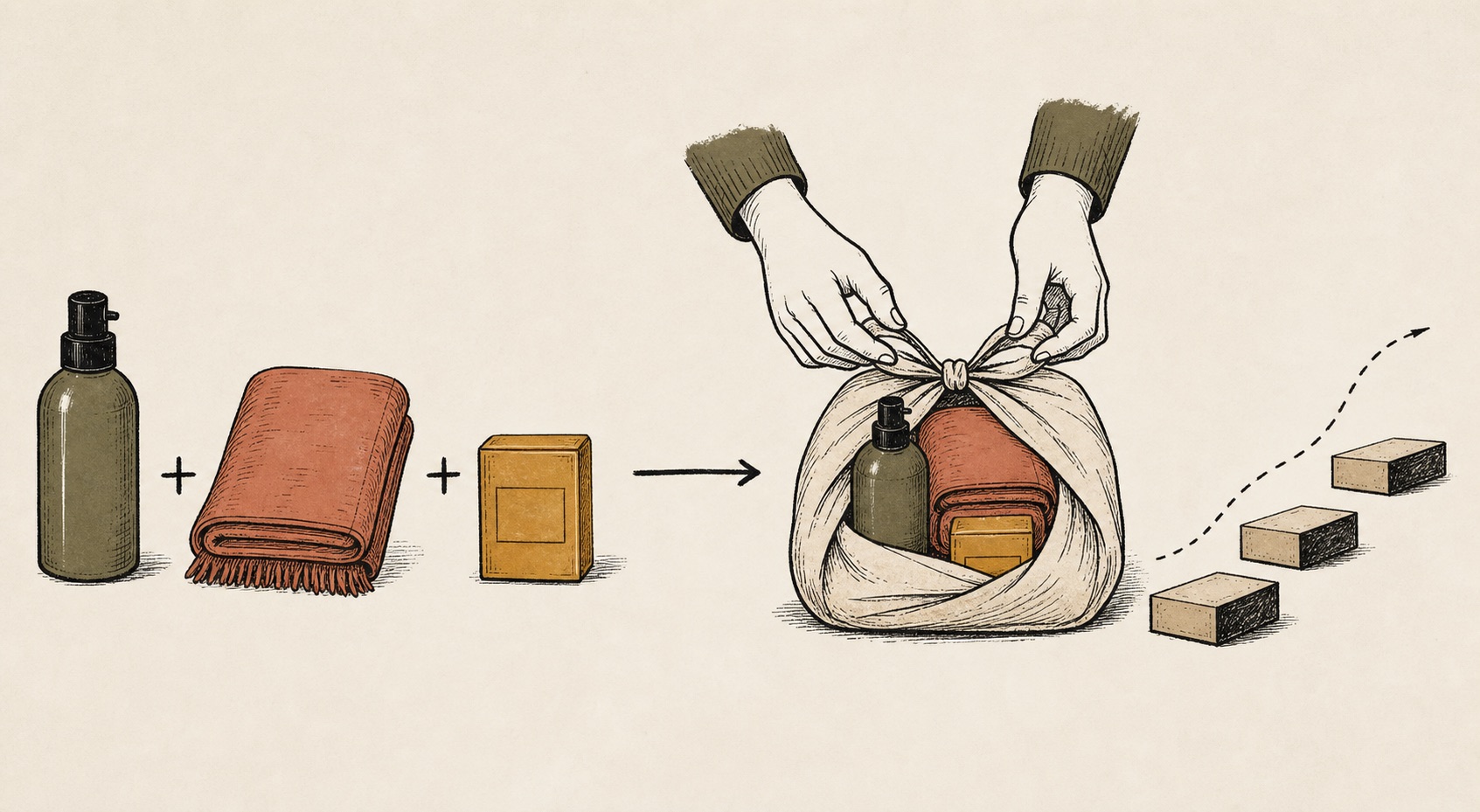
KitForge helps pet merchants sell new-owner starter kits, suggest leashes and bowls on kibble PDPs, and offer tiered pricing on high-velocity consumables.
- Starter fixed kits convert gift buyers and new pet parents.
- FBT on food PDPs captures accessory margin without separate landing pages.
- Quantity breaks on consumables drive predictable replenishment revenue.
- Max sellable quantity prevents overselling when toy or bowl stock is low.
Pet catalog complexity and KitForge readiness
Pet stores often have size and breed variants. Fixed kits require each component variant to be in stock — readiness checklist surfaces missing prices or zero inventory before publish.
FBT trigger products must differ from add-on variants; duplicate mappings fail readiness.
Coexistence on high-traffic food PDPs
If you run an inline fixed kit on a food PDP (e.g., food + bowl bundle), FBT hides by default. Choose coexistence show_below to still offer treat add-ons.
Launch checklist
Adapt the offer to this merchant persona: product relationships first, discount depth second. Launch the smallest kit that proves the buying moment.
Confirm variant coverage, mobile layout, and that the discount only applies through the intended path so shoppers are not surprised at checkout.
- Preview the offer on a real product page and on mobile.
- Place a test order that exercises the discount and inventory path.
- Brief support on what is included and what is not.
- Document the success metric before you scale the offer.
Mistakes that quietly kill conversion
Copying a competitor’s bundle structure without matching catalog depth usually fails. Start from your own attach patterns.
For “Kitforge Bundles for pet product stores,” keep the page focused on one primary next step. Extra widgets, stacked badges, and unclear exclusions increase bounce more often than they increase AOV.
- Do not hide eligibility rules until checkout.
- Do not bundle unrelated leftovers without a customer story.
- Do not skip mobile QA on choice-heavy widgets.
- Do not launch without a rollback plan for the discount.
How to measure whether it worked
Success looks like higher AOV on treated PDPs without a spike in refunds or “missing item” tickets.
If the metric moves but support volume rises, fix presentation or inventory rules before cloning the offer across more SKUs.
- Attach rate on treated product pages
- AOV and contribution margin after discounts
- Refund or fulfillment exception rate
- Time for a teammate to edit the offer safely
Final recommendation
Pet merchants can merchandise systems, not single SKUs, with KitForge fixed kits, FBT, and quantity breaks — all via theme app extension widgets.
If you want this kind of offer to feel native to the buying journey, Kitforge Bundles is built around that exact problem: turning related Shopify products into clearer bundle offers before the shopper reaches checkout.
FAQ
Can kits mix dog and cat products?
Yes if your fulfillment supports it. Merchandising clarity matters — name the kit for a single species to avoid shopper confusion.
How do 3PLs receive kit orders?
Order metafields and expanded child SKUs list each component line for pick/pack systems.
What should I do before publishing changes related to Kitforge Bundles for pet product stores?
Preview on mobile, place a test order, and confirm inventory and discount behavior match the storefront promise. Only then activate for all traffic.
When is Kitforge Bundles the wrong tool?
If you only need a simple Buy X Get Y or free-gift discount with no product-page merchandising, native Shopify discounts may be enough. Kitforge is built for fixed kits, FBT, and quantity-break widgets with inventory validation.
How long should I wait before judging the offer?
Give the offer at least one to two weeks of normal traffic, or enough orders to see attach rate stabilize. Seasonal spikes can distort a shorter window.