Quick answer
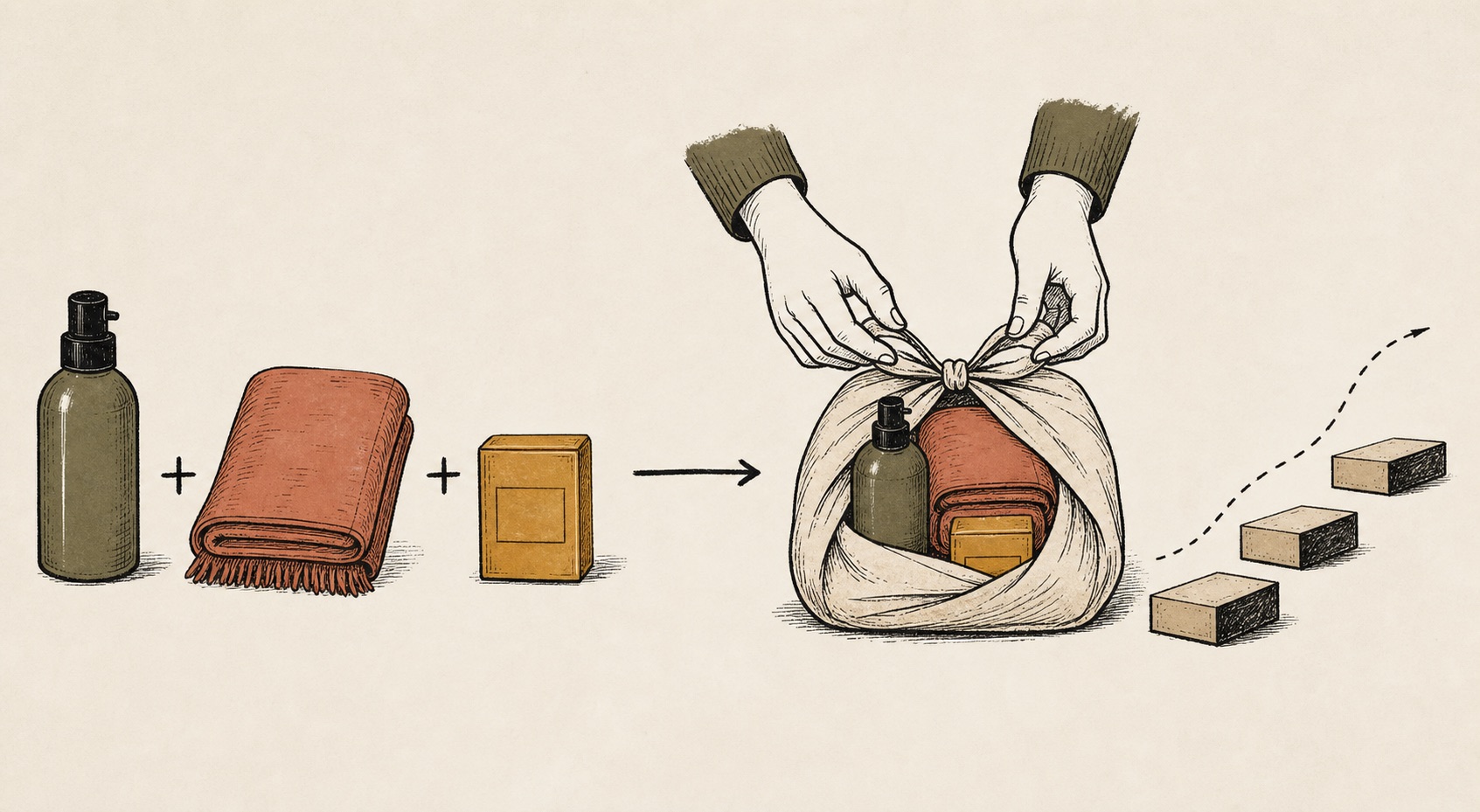
Inventory-safe bundles tie bundle availability to real component stock. Instead of selling a kit that cannot be fulfilled, Kitforge calculates max sellable quantity and blocks checkout when a shopper exceeds it.
- Kitforge ships fixed kits, FBT widgets, and quantity breaks — each with theme app extension placement and Shopify Functions.
- Use the readiness checklist and live preview before activating on the storefront.
- Inventory-safe checkout and analytics are part of the workflow, not optional add-ons.
- Match the bundle type to the customer job: curated set, accessory upsell, or volume pricing.
What inventory-safe bundles means in Kitforge
Kitforge uses a Cart Validation Shopify Function plus per-component location snapshots — a differentiator versus apps that only discount without checking stock.
- fixed kit bundles — combine known products into one priced offer
- frequently bought together (FBT) — product-page add-on recommendations
- quantity breaks — tiered volume discounts when shoppers buy more units
Setup workflow
Kitforge uses a type-first editor with a readiness checklist before publish. Each bundle type has its own steps, but the operating loop is consistent.
- Map each bundle component and quantity consumed per unit sold.
- Let inventory webhooks refresh component availability across locations.
- Choose out-of-stock behavior: hide bundle, disable add to cart, gray out, or allow backorder.
- Test checkout with low-stock components before campaigns go live.
Why merchants choose Kitforge for this
These are the differentiators that show up in real merchant workflows — not generic app marketing bullets.
- inventory-safe bundles with max sellable quantity based on component stock
- theme app extension widgets with auto-embed on product pages
- live storefront preview in admin using the same widget renderer
- built-in analytics for views, interactions, add-to-cart, and attributed revenue
- Shopify Functions for cart transform, discounts, and checkout validation
- expanded child SKUs at fulfillment for 3PL and packing workflows
- scheduling — draft, active, paused, and scheduled publish windows
Launch checklist
Treat shopify inventory-safe bundle apps explained as a storefront contract: what shoppers see must match cart and checkout behavior on mobile.
Confirm variant coverage, mobile layout, and that the discount only applies through the intended path so shoppers are not surprised at checkout.
- Preview the offer on a real product page and on mobile.
- Place a test order that exercises the discount and inventory path.
- Brief support on what is included and what is not.
- Document the success metric before you scale the offer.
Mistakes that quietly kill conversion
Publishing before the readiness checklist passes is the fastest way to create support load. Inventory and coexistence rules usually fail first.
For “Shopify inventory-safe bundle apps explained,” keep the page focused on one primary next step. Extra widgets, stacked badges, and unclear exclusions increase bounce more often than they increase AOV.
- Do not hide eligibility rules until checkout.
- Do not bundle unrelated leftovers without a customer story.
- Do not skip mobile QA on choice-heavy widgets.
- Do not launch without a rollback plan for the discount.
How to measure whether it worked
Use Kitforge analytics for views, interactions, add-to-cart, and attributed revenue on the single offer before cloning it across the catalog.
If the metric moves but support volume rises, fix presentation or inventory rules before cloning the offer across more SKUs.
- Attach rate on treated product pages
- AOV and contribution margin after discounts
- Refund or fulfillment exception rate
- Time for a teammate to edit the offer safely
Final recommendation
Kitforge Bundles implements inventory-safe bundles with product-page widgets, inventory validation, and analytics. Build one real offer, preview it on mobile, and measure attach rate before scaling.
If you want this kind of offer to feel native to the buying journey, Kitforge Bundles is built around that exact problem: turning related Shopify products into clearer bundle offers before the shopper reaches checkout.
FAQ
Does Kitforge Bundles support inventory-safe bundles?
Kitforge Bundles supports fixed kit bundles — combine known products into one priced offer, frequently bought together (FBT) — product-page add-on recommendations, quantity breaks — tiered volume discounts when shoppers buy more units. It is built for merchants who want product-page bundle widgets, inventory-safe checkout, live previews, and analytics — not just hidden discount rules.
Do I need to edit theme code?
No for most merchants. Enable the app embed and use the admin editor. Manual theme blocks are optional when you want precise section placement.
What should I do before publishing changes related to Shopify inventory-safe bundle apps explained?
Preview on mobile, place a test order, and confirm inventory and discount behavior match the storefront promise. Only then activate for all traffic.
When is Kitforge Bundles the wrong tool?
If you only need a simple Buy X Get Y or free-gift discount with no product-page merchandising, native Shopify discounts may be enough. Kitforge is built for fixed kits, FBT, and quantity-break widgets with inventory validation.
How long should I wait before judging the offer?
Give the offer at least one to two weeks of normal traffic, or enough orders to see attach rate stabilize. Seasonal spikes can distort a shorter window.