Quick answer
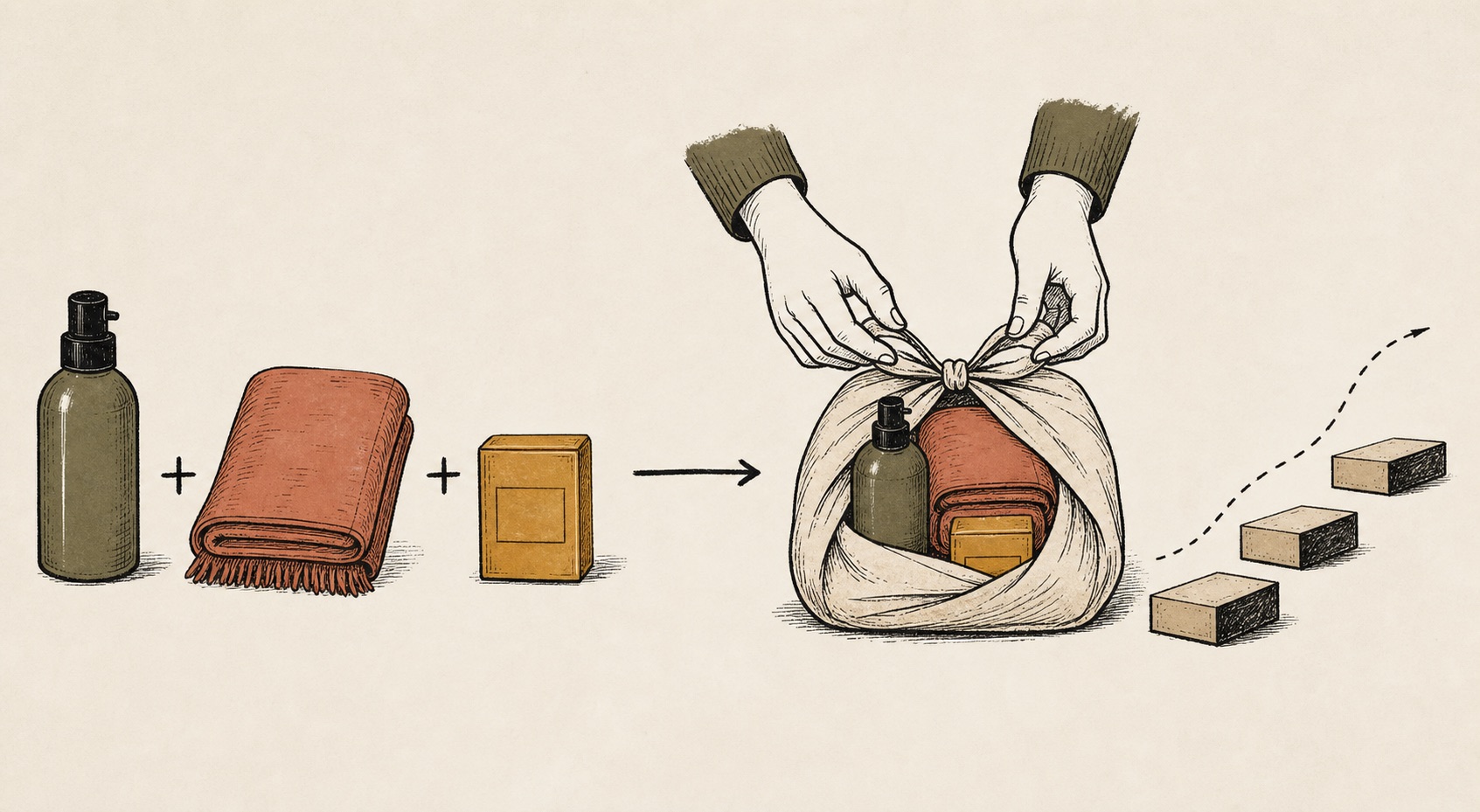
Craft merchants sell project-in-a-box as KitForge fixed kits, attach tools via FBT on yarn and fabric heroes, and tier beads, thread, and paint with quantity breaks for club and classroom buys.
- Project-in-a-box fixed kits reduce beginner anxiety.
- FBT sells notions on yarn and fabric heroes.
- Quantity breaks capture classroom consumable volume.
- Watch dye-lot inventory on kit max sellable.
Why fixed kits dominate craft
Hobbyists fear incompatible supplies — fixed kits guarantee yarn weight, needle size, and pattern alignment. KitForge inventory caps prevent overselling limited dye lots.
Classroom quantity breaks
Art teachers buy volume on paper and paint — QB below add-to-cart beats negotiating custom B2B quotes for mid-size orders.
Launch checklist
For this niche, launch one hero kit that matches a real customer moment, not a generic discount table. Name the offer after the outcome shoppers already describe in reviews.
Confirm variant coverage, mobile layout, and that the discount only applies through the intended path so shoppers are not surprised at checkout.
- Preview the offer on a real product page and on mobile.
- Place a test order that exercises the discount and inventory path.
- Brief support on what is included and what is not.
- Document the success metric before you scale the offer.
Mistakes that quietly kill conversion
Avoid bundling slow movers together hoping inventory will move. Weak product relationships make the page feel promotional and train shoppers to wait for discounts.
For “Craft and hobby bundle examples,” keep the page focused on one primary next step. Extra widgets, stacked badges, and unclear exclusions increase bounce more often than they increase AOV.
- Do not hide eligibility rules until checkout.
- Do not bundle unrelated leftovers without a customer story.
- Do not skip mobile QA on choice-heavy widgets.
- Do not launch without a rollback plan for the discount.
How to measure whether it worked
Watch attach rate on the hero SKU, gift vs self-purchase mix, and whether the kit reduces single-item bounce on category pages.
If the metric moves but support volume rises, fix presentation or inventory rules before cloning the offer across more SKUs.
- Attach rate on treated product pages
- AOV and contribution margin after discounts
- Refund or fulfillment exception rate
- Time for a teammate to edit the offer safely
Final recommendation
Craft and hobby bundles in KitForge deliver complete projects via fixed kits, notion FBT on materials, and classroom quantity breaks on consumables.
If you want this kind of offer to feel native to the buying journey, Kitforge Bundles is built around that exact problem: turning related Shopify products into clearer bundle offers before the shopper reaches checkout.
FAQ
Can digital patterns be kit components?
Kits are physical SKU lines — bundle pattern as a physical card SKU or link via product description outside kit components.
Mix-and-match yarn colors in kits?
Fixed kits use defined variants — offer colorway as separate kit configurations, not shopper-built.
What should I do before publishing changes related to Craft and hobby bundle examples?
Preview on mobile, place a test order, and confirm inventory and discount behavior match the storefront promise. Only then activate for all traffic.
When is Kitforge Bundles the wrong tool?
If you only need a simple Buy X Get Y or free-gift discount with no product-page merchandising, native Shopify discounts may be enough. Kitforge is built for fixed kits, FBT, and quantity-break widgets with inventory validation.
How long should I wait before judging the offer?
Give the offer at least one to two weeks of normal traffic, or enough orders to see attach rate stabilize. Seasonal spikes can distort a shorter window.